Pumpkin Farmhouse: The Sweet Handwritten Font for Modern Designs
There's a certain warmth that enters a design the moment you choose the right typeface. It's not just about legibility; it's about feeling. Pumpkin Farmhouse captures that feeling perfectly, offering a sweet and friendly handwritten style that feels both personal and polished. As a premium font, it bridges the gap between casual authenticity and professional application, making it a versatile asset in any creative's toolkit. Its natural, flowing letterforms suggest a human touch, transforming standard text into something that feels crafted and intentional.
The Visual Personality and Appeal of Pumpkin Farmhouse
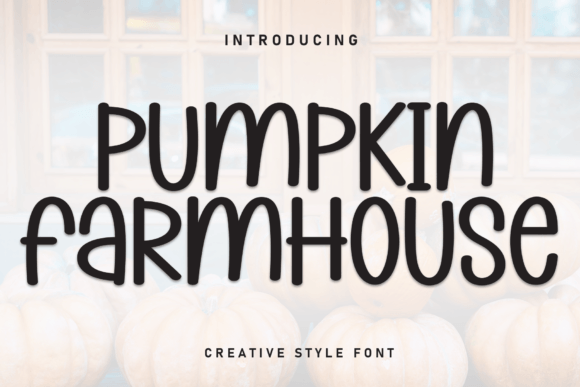
At its core, Pumpkin Farmhouse is a script font that leans into a relaxed, organic aesthetic. Unlike rigid, formal typefaces, its strokes have a gentle, imperfect quality that mimics real handwriting. You'll notice subtle variations in baseline and letter height, which is key to its charm. This isn't a uniform, mechanical script; it’s a creative font with personality. The overall visual weight is medium, making it substantial enough to stand out as a display font without overwhelming a layout. Its appeal lies in its ability to convey approachability and creativity simultaneously, making it incredibly fitting for designs that need to feel welcoming, artisanal, or heartfelt.
Understanding its visual characteristics helps in applying it effectively. The letter spacing is generally open, promoting readability even at smaller sizes for short bursts of text. The connections between letters are smooth, creating a pleasant flow that guides the eye naturally across the word. This makes Pumpkin Farmhouse a strong contender for projects where the tone needs to be friendly and engaging, rather than corporate or distant. It’s a typeface that speaks in a conversational, inviting voice.
Where Pumpkin Farmhouse Shines: Practical Applications
The true value of any design asset is measured by its utility. Pumpkin Farmhouse excels across a surprisingly broad range of projects, thanks to its balanced personality. Here’s where it finds its best footing:
Branding and Logo Design
For small businesses, especially those in boutique retail, artisanal food, handmade goods, or lifestyle coaching, this font can become a cornerstone of a brand identity. It’s perfect for a primary logo or a secondary tagline, instantly communicating a brand's friendly, approachable, and authentic nature. Imagine it on a coffee shop's chalkboard-style menu or a candle maker's label—it fits right in. When used for logo design, pairing Pumpkin Farmhouse with a clean, simple sans serif font for body copy creates a beautiful and professional contrast that is both modern and readable.
Marketing and Social Media
In the fast-paced world of digital marketing and social media graphics, grabbing attention while maintaining relatability is crucial. Pumpkin Farmhouse works brilliantly for quote graphics, promotional announcements, and story overlays on platforms like Instagram and Pinterest. Its handwritten style stops the scroll because it feels personal amidst the sea of generic, machine-generated text. For email headers or blog post titles, it adds a touch of warmth that can increase click-through rates by making the content feel more like a message from a friend than a corporation.
Publishing and Editorial Design
While not a workhorse text font, Pumpkin Farmhouse has significant roles in editorial design. Think chapter headings in a cookbook, pull quotes in a lifestyle magazine, or title treatments for a blog's featured post. Its use in publishing adds a layer of personality and can help break up dense blocks of text set in a traditional serif font. It’s particularly effective in children’s book titles or as a decorative element in wedding stationery and invitation suites, where its sweet nature is a perfect match for the subject matter.
Packaging and Product Design
On physical products, typography is a silent salesperson. Pumpkin Farmhouse shines in packaging design for products that emphasize homemade quality, organic ingredients, or a personal touch. It’s ideal for jar labels, cosmetic packaging, or artisan product tags. The font suggests that care and attention have been poured into the product itself, reinforcing the brand's story at the point of purchase.
Integrating Pumpkin Farmhouse into Your Workflow
Simply liking a font isn't enough; successful integration requires thoughtful application. Here’s how to use Pumpkin Farmhouse effectively in your projects.
Evaluating Project Fit and Font Pairing
The first step is always to assess if the font’s personality aligns with your project’s goals. Pumpkin Farmhouse is not the right choice for a law firm’s annual report or a technical manual. However, for a bakery, a wedding planner, or a personal blog, it’s often a perfect match. Once you’ve decided it fits, focus on font pairing. Its handwritten nature means it pairs best with stable, neutral companions. A classic sans serif font like Open Sans or a traditional serif font like Lora can provide the necessary structure and readability for longer body text, allowing Pumpkin Farmhouse to handle the headlines and accent text where it can truly shine.
Readability and Hierarchy Considerations
Good modern typography is about guiding the reader’s eye. Use Pumpkin Farmhouse to establish a clear visual hierarchy. Reserve it for short, impactful text—main headings, subheadings, call-to-action buttons, and featured quotes. Avoid setting entire paragraphs in it, as the extended letterforms can reduce readability in dense text blocks. Always test the font at the intended size and on the intended medium (screen vs. print) to ensure it remains clear and legible. The goal is to use its charm without sacrificing function.
Exploring Styles and Licensing
Many premium fonts, including Pumpkin Farmhouse, come with more than just the basic style. Check for included alternates, swashes, or stylistic sets. These extra characters can add even more flair and customization to your designs, allowing you to create truly unique typographic compositions. Furthermore, as a commercial font, it’s essential to review the licensing. Ensure your intended use—whether for a client project, merchandise, or digital products—is covered by the license you purchase. This due diligence protects both you and the font’s creator, allowing for ethical and professional use of this valuable design asset.
In the end, Pumpkin Farmhouse is more than just a collection of glyphs. It’s a tool for storytelling. It allows designers, entrepreneurs, and creators to infuse their work with a sense of warmth, authenticity, and friendly professionalism. By understanding its strengths and applying it thoughtfully, you can leverage this handwritten font to build stronger brand recognition, create more engaging marketing materials, and design products that resonate on a personal level with your audience. The only limit, as with any good creative font, is your imagination.